


Kenyan Farmers Harness Nature to Reduce Human-Elephant Clashes
Farmers in Kenya’s Taita Taveta region are using beehives and sesame cultivation to deter elephants, protect crops, and support conservation efforts.
Beehive fences and sesame crops are helping farmers in Taita Taveta protect their fields and livelihoods while reducing elephant incursions. Photo: @ste_kenya
August 12, 2025 Hour: 7:29 am
🔗 Comparte este artículo
In Taita Taveta, beehives and sesame crops offer sustainable solutions for communities living alongside migrating elephants.
RELATED:
Nigeria Brings 2022 C to Court After Three-Year Delay
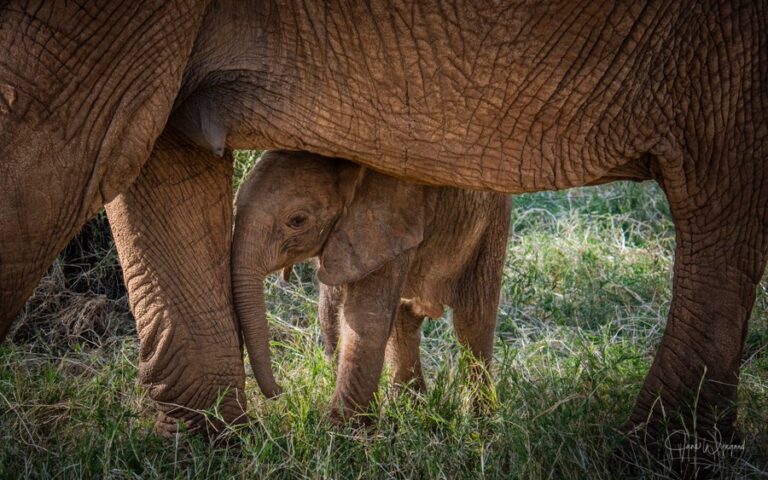
In the Taita Hills of southern Kenya, farmers live in close proximity to Tsavo East and Tsavo West national parks, where unfenced boundaries allow elephants to follow ancestral migratory routes. The animals’ search for food often brings them into farmland, damaging crops and, in some cases, endangering lives. According to the Kenya Wildlife Service, 30 to 35 people are killed each year in elephant-related incidents across the country.
For farmer Richard Shika, 68, the risk is familiar. “One time, I was trying to chase away an elephant that was in my maize field, but it turned and charged me,” he recalled. “It stopped when it was right in front of me, and I managed to jump out of the way.” In another incident, he narrowly escaped when an elephant stepped on his torch during a night raid.
Conservationists attribute the rising conflict to human encroachment on traditional elephant corridors and an increase in elephant numbers following anti-poaching gains. “The places and infrastructure that we humans develop hinder the migratory routes and paths which elephants used to take,” said Yuka Luvonga of Save the Elephants.
Rather than confronting elephants directly, some farmers are adopting deterrents derived from nature. With support from Save the Elephants, Shika has installed beehive fences — hives suspended on wires between poles that shake when touched, disturbing the bees. The approach keeps elephants out and provides an additional source of income. Between January and June, he harvested 29 kilograms of honey, earning 32,000 Kenyan shillings (about $246). “With hives acting as a fence, I can continue crop-farming and also earn a livelihood from honey,” he said.
Other farmers are changing what they plant. Elephants are drawn to crops like maize and watermelons but avoid sesame, whose scent repels them. For 70-year-old Gertrude Jackim, the switch was practical. “Before, we used to plant maize, mung beans, cassava and pigeon peas,” she said. “But now the elephants are increasingly raiding our farms and some of us can’t confront them. Therefore, I am doing sesame farming because the elephants can’t eat it because of its scent.” She is one of 100 farmers supported to grow sesame.
Conservationists hope such measures will ease tensions in an area where human-elephant interactions have been a persistent challenge. “We have to live harmoniously with these elephants and create awareness to change attitudes towards the animals that we have,” said Luvonga.
In Taita Taveta, where elephants and people share the same land, farmers’ ingenuity may hold the key to peaceful coexistence.
Author: MK
Source: AP - Africanews